

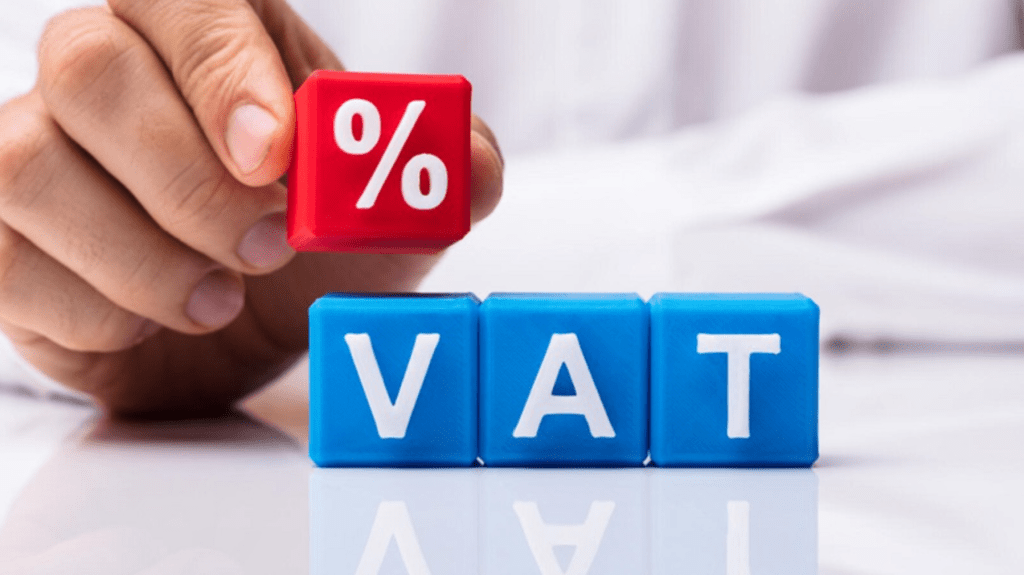
In February 2020, the erstwhile Minister of Finance, Budget and National Planning issued the Value Added Tax (VAT Modification Order) 2020, which modified the provisions of the First Schedule to the VAT Act adding to, and expanding the list of goods and services specified in its provision whilst extending VAT exemption status to 868 items covering amongst other things medical and pharmaceutical products, essential raw materials for the production of pharmaceutical products, basic food items, baby products, book and educational materials..
Recently the Presidential Fiscal Policy and Tax Reforms Committee chaired by Mr. Taiwo Oyedele seeks to reduce VAT burden on household spends proposed that VAT rate be reduced to zero per cent (0%) on food, health, and education, while tax exemption be extended to rent, transportation, and small businesses.
Additionally, the Committee seeks to review the rate of VAT by 2.5% on non-essential items, in order to partially offset the impact on the tax reduction rate and exemption for essential items in order to protect the masses, and grant opportunity for states who earn 85% of VAT revenue.
This proposed VAT reform also extends to businesses so that they benefit from the full credit of VAT remitted from their assets and services thereby lowering their overall costs and moderating inflation.
DISTINGUISHING THE CURRENT & PROPOSED VAT REGIMES.
The Value Added Tax (VAT Modification Order) 2020 and the Presidential Fiscal Policy and Tax Reforms Committee (PFPTRC) VAT proposed reforms are directed to adjust VAT application. However, they differ in scope, objectives, and specific reforms as enumerated below:
1. Value Added Tax (VAT Modification Order) 2020:
This VAT Modification Order, often implemented as a response to immediate fiscal needs, was part of the broader tax adjustments made to address specific challenges occasioned by the pandemic. The changes were largely focused on improving VAT revenue and addressing concerns raised by businesses and the public.
Key Features:
- Modification of VAT rates: This order typically involved adjustments to VAT rates on certain goods and services, such as reductions or increases in the VAT rates applied to specific industries.
- Introduction of zero-rated and exempt goods: The VAT Modification Order often reclassified goods and services, adding or removing items from zero-rated or VAT-exempt categories.
- COVID-19 Response: The 2020 modification included temporary measures to support sectors hardest hit by the COVID-19 pandemic, such as healthcare, personal protective equipment (PPE), and essential goods.
Objectives:
- Increase government revenue by expanding the VAT base.
- Provide targeted relief for sectors affected by the pandemic.
- Simplify VAT compliance for businesses through clearer rules and reclassifications.
2. Presidential Fiscal Policy and Tax Reforms Committee (PFPTRC) VAT Proposed Reforms:
The PFPTRC VAT proposed reforms represent a long-term and comprehensive approach to VAT reform to overhauling the tax system. These reforms typically involve a broader policy framework designed to address inefficiencies, improve compliance, and ensure equitable taxation.
Key Features:
- Zero % VAT and exemption base expansion on essential items: One of the main objectives of the PFPTRC reforms is to include zero percent (0%) VAT on essential items such as food, education, and healthcare, along with exemptions for rent and transport, while raising VAT rates on non-essential items to offset these reductions.
- Improved compliance mechanisms: The reforms emphasize better enforcement of VAT laws, improved collection systems, and reduced VAT evasion by employing digitization of VAT filing and payment processes.
- Simplification of VAT structure: The proposed reforms simplify the VAT system by reducing complexities in rate classifications and exemptions, making it easier for businesses to comply.
- Revenue allocation adjustments: The proposed reform changes how VAT revenues are shared between different levels of government and national development projects.
Objectives:
- Increase revenue sustainability by reducing VAT exemptions and strengthening compliance.
- Enhance fairness and equity in the tax system, ensuring that all sectors contribute fairly.
- Improve economic efficiency by streamlining VAT procedures and removing distortions in the tax system caused by too many exemptions or reduced rates.
- Long-term fiscal stability actualised through reformed VAT framework that is adaptable to changing economic conditions.
Comparison:
| Aspect | VAT Modification Order 2020 | PFPTRC VAT Proposed Reforms |
| Scope | Short-term, targeted adjustments | Long-term, comprehensive reforms |
| Objective | Immediate revenue needs and COVID-19 relief | Broader fiscal sustainability, fairness, and compliance |
| VAT Base | Modifications to specific items, some exemptions/zero-rated changes | Broader base, reducing exemptions |
| Enforcement | Some changes to simplify compliance | Focus on improved compliance, through digitization |
| Sector Focus | Pandemic-affected sectors, essential goods | All sectors with emphasis on equitable distribution of tax burdens |
| Revenue Impact Export Services & Intellectual Property | Immediate but potentially limited revenue impact Imposes VAT on these export services and intellectual property, making them more expensive and less attractive internationally | Long-term, sustainable revenue growth Introduces a 0% VAT rate on the export of services and intellectual property to boost global competitiveness, |
Conclusion:
While the VAT Modification Order 2020 was more reactive, addressing specific issues like pandemic relief and short-term revenue generation, PFPTRC VAT proposed reforms are more proactive, seeking to create a long-term VAT system that is fairer, more efficient, and sustainable. It contemplates structural changes, whereas the 2020 order was more of a temporary adjustment to respond to urgent needs.
 The Legal Trove